
Root Canal Treatment

Expert Root Canal Treatment

Tooth pain can be more than just uncomfortable—it can interfere with your daily life and indicate a deeper dental issue. Root canal treatment is a highly effective procedure designed to relieve pain, eliminate infection, and preserve your natural tooth. Our clinic provides advanced, patient-focused care using modern techniques to ensure a comfortable and stress-free experience.

What is Root Canal Treatment?

Root canal treatment is a dental procedure used to treat infection or damage inside the tooth. Each tooth has a soft inner layer called the pulp, which contains nerves and blood vessels. When this pulp becomes infected due to deep decay, cracks, or injury, it can cause severe pain and swelling.

During root canal treatment ,the infected pulp is carefully removed, and the inside of the tooth is cleaned and disinfected. After cleaning, the space is filled and sealed to prevent further infection. In most cases, a crown is placed on top of the tooth to restore its strength and function.

Many patients looking for root canal Easton, PA treatments are often concerned about pain, but modern dentistry has made the procedure comfortable and efficient. The goal is to save your natural tooth rather than extract it, helping maintain proper chewing function and alignment.

Why Do I Need a Root Canal Treatment?

Root canal treatment is necessary when the inner pulp of the tooth becomes infected or inflamed. Ignoring the problem can lead to severe pain, abscess formation, and even tooth loss.

You may need root canal treatment , if you experience:

  • Severe tooth pain that does not go away
  • Prolonged sensitivity to hot or cold foods
  • Swelling or tenderness in the gums
  • Darkening of the tooth indicating internal damage
  • Pimple-like swelling on the gums (abscess)


Root canal treatment not only eliminates pain but also helps you retain your natural tooth, avoiding the need for extraction.

Signs You May Need a Root Canal Treatment

It’s important to recognize early warning signs that indicate you may need treatment. Acting quickly can save your tooth and reduce discomfort.

Common signs include:

  • Persistent toothache or throbbing pain
  • Sensitivity that lingers after eating or drinking
  • Swollen or bleeding gums near the affected tooth
  • Cracked or chipped tooth exposing the pulp
  • Bad taste or odor caused by infection

If you notice any of these symptoms, seeking timely dental care can prevent complications and save your tooth.

The Root Canal Treatment Procedure

The procedure is completed in multiple steps to ensure effective treatment and long-term success:

Examination and Diagnosis

Dr. Jonathan Saliby examines the tooth and may take X-rays to assess the extent of infection.

Local Anesthesia

The area is numbed to ensure a comfortable and pain-free experience.

Pulp Removal

The infected pulp is carefully removed from inside the tooth.

Cleaning and Disinfection

The inner canals are cleaned thoroughly to eliminate bacteria.

Filling and Sealing

The canals are filled with a special material and sealed to prevent reinfection.

Restoration with Crown

A crown is placed to restore the tooth’s strength and appearance.

The Benefits of a Root Canal Treatment

Pain Relief

Root canal treatment eliminates the source of infection, providing immediate relief from severe tooth pain.

Saves Your Natural Tooth

Instead of extraction, the procedure preserves your original tooth, maintaining natural function and alignment.

Prevents Infection Spread

Treating the infected pulp stops bacteria from spreading to other teeth and surrounding tissues.

Restores Normal Function

You can chew and speak comfortably after the treatment, just like with a healthy tooth.

Improves Oral Health

By removing infection, it helps maintain overall oral hygiene and prevents future complications.

Long-Lasting Results

With proper care, a treated tooth can last for many years.

What You Need to Know About Root Canal Treatment

It Is Not Painful

Modern techniques and anesthesia make root canal treatment comfortable and stress-free.

Early Treatment Is Important

Delaying treatment can worsen the infection and may lead to tooth loss.

A Crown Is Often Needed

After treatment, a crown helps protect and strengthen the tooth.

Proper Care Is Essential

Maintaining oral hygiene and regular dental visits ensures long-term success.
Untitled design (45)

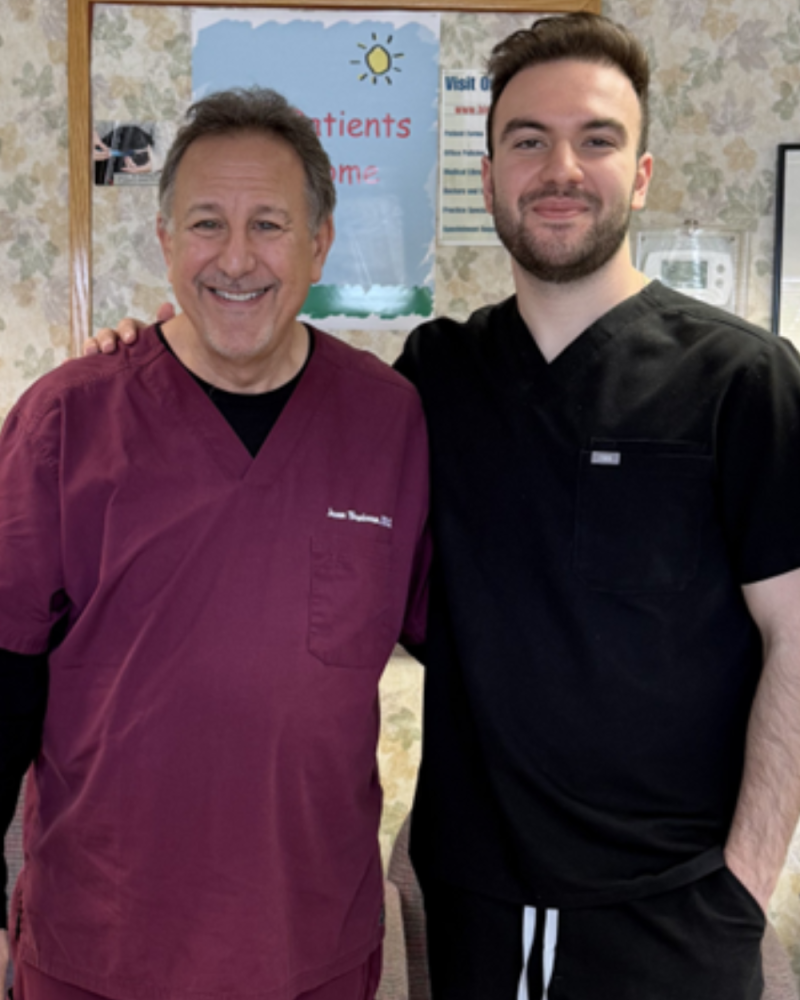
Meet Our Smile Experts

Dr. Saliby is a native of the Lehigh Valley and is proud to serve the community he calls home.
He completed his undergraduate studies at Lehigh University and earned his dental degree from Temple University. He is a dedicated and well-trained dentist with experience in a wide range of procedures, including root canal therapy (RCT), dental implants, extractions, and
comprehensive restorative care. He shares the values that have always guided this office — providing honest, thoughtful, and high-quality care in a comfortable environment.

Welcome to State-of-the-Art Dental Practice

Our dental office is equipped with modern technology designed to provide precise diagnosis and effective treatment. From digital imaging to advanced dental equipment, we ensure every patient receives safe and high-quality care.

Enjoy a Relaxing & Supportive Environment

We believe that a comfortable and welcoming environment plays an important role in dental care. Our friendly team works hard to create a calm atmosphere so you feel relaxed and confident during every visit.
Everything You Need to Know

Frequently Asked Questions

How long does a root canal treatment take?
Most procedures are completed in one or two visits, depending on the severity of the infection.
Is root canal treatment painful?
No, the procedure is performed under anesthesia, making it similar to getting a filling.
How long does a treated tooth last?
With proper care, a root canal-treated tooth can last many years or even a lifetime.
What happens if I delay treatment?
Delaying can lead to worsening infection, abscess formation, and possible tooth loss.
Can I eat after a root canal?
Yes, but it’s recommended to avoid hard foods until the final restoration is completed.

Ready to Book Your Appointment?

Contact us today to schedule your visit and take the first step toward a healthier smile.